

Views: 280 Author: Site Editor Publish Time: 2026-03-23 Origin: Site


Content Menu
● Understanding the Modern Salad Fork
>> Healthy Eating and Portion Control
● Entertaining and Social Gatherings
>> Appetizers, Tapas, and Small Plates
>> Outdoor Picnics and Barbecues
>> Casual and Fast-Casual Dining
● Creative and Nontraditional Uses
>> Sharing Plates and Tasting Menus
>> Kids, Teens, and Beginner Diners
● Sustainability and Eco-Friendly Choices
>> Reusable Alternatives to Disposable Cutlery
>> Sustainable Materials and Design
>> Upcycling and Secondhand Tableware
● Design, Style, and Personal Expression
>> Matching with Modern Tableware
>> Social Media and Food Photography
>> Gift Sets and Special Occasions
>> Inclusive Dining Experiences
● Care, Maintenance, and Longevity
● How to Choose the Right Salad Fork Today
>> Balancing Form and Function
>> Considering Budget and Longevity
● Future Trends of the Salad Fork
>> Minimalist and Multi-Use Designs
>> Smart and Technological Innovations
>> Continued Focus on Sustainability
The salad fork may seem like a small and ordinary utensil, but in modern dining it has become surprisingly versatile and expressive. Today, it is used not only for leafy greens but also for creative plating, casual entertaining, and even sustainable lifestyle choices. In this article, we will explore how the salad fork fits into contemporary homes, restaurants, and social occasions, and why it remains relevant in a world that increasingly values both practicality and aesthetics.
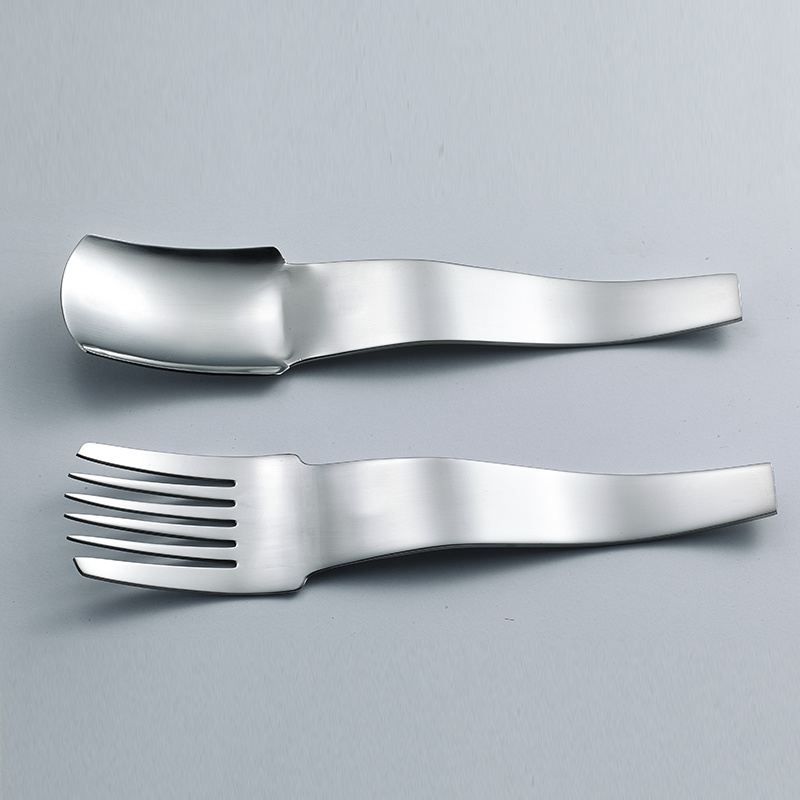
Modern salad forks typically feature four tines that are slightly shorter and wider than those of a standard dinner fork, which helps scoop up mixed ingredients without scattering them. Their handles are often a bit shorter, giving better control when managing light, slippery foods like dressed greens or chopped vegetables. Many contemporary designs experiment with matte finishes, colored handles, or minimalistic silhouettes to match current interior and tableware trends.
Today's salad forks are most often made from stainless steel because it is durable, rust-resistant, and easy to clean. However, modern versions can also be found in gold-tone finishes, black titanium coatings, and flat or satin textures that pair well with minimalist table settings. Handles may incorporate wood, bamboo, resin, or recycled materials, allowing the fork to become part of a broader style statement on the table.
In many households, the salad fork has become the everyday fork for lighter meals such as simple salads, pasta bowls, and grain dishes. Its slightly smaller scale feels comfortable in the hand and is less intimidating for children or adults who prefer smaller bites. Because it works well with dishes that mix vegetables, grains, and proteins, it has naturally evolved into a multi-purpose utensil for quick weeknight dinners.
People focused on health or mindful eating often favor a salad fork because it encourages smaller, more deliberate bites. The fork's proportions help diners slow down, chew thoroughly, and appreciate textures and flavors instead of rushing through a meal. When used with salads, grain bowls, and nutrient-rich plates, the salad fork becomes a quiet tool that supports healthier habits without drawing attention to itself.
For hosts who want to elevate a dinner party, the salad fork still plays a starring role in the classic salad course. It is placed to the left of the dinner fork so guests instinctively use it first, adding a sense of rhythm and structure to the meal. Matching salad forks in a coordinated flatware set give the whole table a polished and intentional appearance, even in relaxed gatherings.
Beyond salad, the salad fork is perfect for shared appetizers, tapas, and mezze-style spreads at parties. Guests can use it to spear marinated vegetables, cheese cubes, olives, or bites of charcuterie without switching between different utensils. In this way, the salad fork becomes a flexible tool for interactive dining where guests are constantly sampling small bites and combinations.
Modern outdoor gatherings often mix casual foods with stylish presentation, and the salad fork fits seamlessly into that environment. Its size makes it easy to pack into picnic baskets or reusable utensil rolls for al fresco meals in parks or gardens. Paired with lightweight plates and bowls, the salad fork helps keep salads, pasta dishes, and fruit mixes tidy even when guests are eating on their laps.
In contemporary casual restaurants and cafés, the salad fork is frequently used as the default fork for salad bowls, grain bowls, and plant-focused dishes. Its shape suits modern menu items that combine crunchy vegetables, seeds, proteins, and dressings in a single bowl. For operators, using a slightly smaller fork can help control portion perception and keep the overall tableware look cohesive and modern.
In fine dining, the salad fork is still carefully selected to match the restaurant's aesthetic and menu style. Chefs and designers often choose distinctive fork designs to underscore the restaurant's brand identity, whether it is classic, rustic, or ultra-modern. A well-chosen salad fork enhances the visual impact of plated salads, microgreen garnishes, and delicate vegetable compositions.
At buffets, weddings, and catered events, salad forks are often provided alongside salad bars, grazing tables, and appetizer stations. Their smaller size makes them more comfortable for guests balancing a plate while standing or walking. Because these events frequently feature a variety of salads and cold dishes, a salad fork offers an appropriate and elegant way to sample many options without resorting to disposable cutlery.
Although traditionally associated with greens, the salad fork is often used for modern desserts such as fruit salads, trifles, and lighter cakes. Its proportions work well with smaller dessert plates and allow for more delicate bites than a larger dinner fork would provide. For restaurants and home bakers focusing on refined, less sugary desserts, the salad fork supports the idea of savoring each bite.
In experiences where multiple tasting plates are shared among guests, salad forks can act as individual sharing utensils. Each person can use a salad fork to take a portion from the shared dish onto their own plate, maintaining both hygiene and elegance. This works especially well for modern tasting menus, chef's counters, and wine-pairing dinners where many small courses are served in succession.
Because of its smaller dimensions, the salad fork is often an ideal stepping stone for children learning to use utensils properly. It provides enough control for small hands without being as small or decorative as dedicated children's cutlery. Teenagers and young adults setting up their first apartments may also rely on salad forks as a flexible tool, especially if they keep a minimal set of utensils.
In an era of increasing environmental awareness, the salad fork is frequently part of compact, reusable cutlery sets that replace single-use plastic utensils. People carry stainless steel or bamboo salad forks in travel pouches to use in offices, schools, or cafés. This habit reduces waste while still allowing diners to enjoy salads and other dishes conveniently and comfortably.
Many modern brands produce salad forks from bamboo, recycled metals, or plant-based composites, blending function with eco-conscious values. These forks often feature simple forms and neutral colors to complement both traditional and modern place settings. When paired with cloth napkins, reusable containers, and glass storage, they help create a cohesive sustainable lifestyle around food.
Vintage and secondhand salad forks have also gained popularity as part of a broader interest in upcycling and thrifted home goods. People mix and match different patterns from flea markets, antique shops, or family collections to create eclectic table settings. This approach not only reduces demand for new manufacturing but also brings personality and stories to everyday meals.
Contemporary tablescapes often emphasize clean lines, neutral colors, and a mix of textures such as stoneware, linen, and wood. A thoughtfully chosen salad fork can reinforce this design language, whether it is sleek and metallic or warm and organic. Hosts and stylists experiment with pairing matte black salad forks with white plates, or gold-toned forks with colored glassware to create striking, Instagram-ready arrangements.
The salad fork has quietly become a prop in modern food photography, especially on social media platforms. Stylists place forks at the edge of a salad bowl or gently resting on a napkin to suggest movement and human presence in the scene. The fork's shape, color, and reflections can subtly guide the viewer's eye toward key elements of the dish in the photo.
Modern consumers often purchase flatware sets, including salad forks, as wedding gifts, housewarming presents, or registry items. Personalized engraving, unusual finishes, or limited-edition designs transform a utilitarian object into a thoughtful gift. Because salad forks are part of everyday life, they serve as a daily reminder of the occasion and the relationships behind the gift.
Some modern salad forks feature ergonomic handles that are thicker, contoured, or made of softer materials to improve grip. These designs are particularly useful for people with arthritis, limited hand strength, or motor coordination challenges. By making the simple act of eating more comfortable, these forks support independence and dignity in everyday dining.
Restaurants, care facilities, and home caregivers are increasingly aware of the importance of accessible tableware. Offering salad forks that are easier to hold and maneuver can transform the dining experience for older adults and people with disabilities. In this context, the salad fork represents more than style; it becomes a tool for inclusion and hospitality.
Most modern salad forks are dishwasher-safe, but many users still prefer to rinse them soon after meals to avoid water spots or staining. Hand-drying them with a soft cloth preserves their shine and reduces the chance of minor rust spots on lower-quality metals. Proper cleaning keeps the forks ready for both casual breakfasts and special occasions.
For higher-end or sentimental sets, people often store salad forks in lined drawers, flatware organizers, or dedicated boxes. This prevents scratches and keeps them from tangling with other utensils. Occasional polishing or gentle cleaning products help maintain their appearance over years of use, allowing them to be passed down through families or used to anchor a consistent table style.
When selecting salad forks, it helps to consider how and where they will be used. People who host frequent gatherings might prioritize coordinated sets that photograph well and feel special. Those who eat on the go may choose compact, lightweight forks that fit into travel cases and wash easily in shared kitchens.
Modern consumers often look for a balance between aesthetics and practicality. A beautiful fork that feels awkward in the hand is unlikely to become a favorite, while an ergonomic fork with an unappealing finish may not suit a carefully curated table. The best modern salad forks offer a satisfying weight, comfortable grip, and style that harmonizes with existing dishes and glassware.
From budget-friendly stainless steel sets to luxury designer collections, salad forks exist at many price points. People focused on long-term value may opt for timeless designs that will look appropriate for years instead of highly trendy pieces. Because salad forks are used so frequently, investing in durable and well-finished versions often pays off through daily satisfaction.
As minimalist living continues to influence home design, future salad forks may be created to serve multiple roles at the table. One fork might comfortably handle salads, small plates, and desserts, reducing the number of different utensils needed. Designers can experiment with shapes and edges that make the fork versatile without sacrificing aesthetics.
Some concept designs imagine cutlery that integrates technology, such as handles that track eating speed or estimate bite sizes. Although these ideas are still emerging, salad forks could play a part in smart tableware systems that encourage mindful eating or gather wellness data. If such innovations become practical, they may shift the role of the salad fork from simple utensil to connected device.
Future salad forks are likely to lean even further into sustainable materials, ethical manufacturing, and long-lasting design. Brands may highlight traceable supply chains, recycled metals, and biodegradable coatings. As consumers ask more questions about the origin and impact of their household items, the salad fork will continue to reflect these environmental priorities.
Q1: Can I use a salad fork as my everyday fork?
A1: Yes, many people use salad forks for everyday meals because their smaller size and lighter feel make them comfortable and versatile for a wide range of dishes.
Q2: Is it acceptable to use a salad fork for dessert?
A2: It is perfectly acceptable to use a salad fork for many modern desserts, especially fruit-based dishes, lighter cakes, or plated sweets that do not require a knife.
Q3: How many salad forks should I have in my home?
A3: A practical approach is to have enough salad forks for the largest number of guests you plan to serve at once, plus a few extras for replacements or unexpected visitors.
Q4: Are bamboo or wooden salad forks durable enough for daily use?
A4: Bamboo and wooden salad forks can work well for daily use if they are properly cared for, which includes handwashing, thorough drying, and occasional conditioning with food-safe oils.
Q5: What is the best way to store salad forks?
A5: The best way to store salad forks is in a drawer organizer or lined tray where they are separated from knives and other utensils, helping prevent scratches and keeping them easy to access.
Q6: Do I need a separate set of salad forks for formal occasions?
A6: You do not need a separate set, but having a coordinated, well-maintained set of salad forks can enhance the appearance of your table during more formal or festive meals.
Q7: Can salad forks be safely washed in the dishwasher?
A7: Most modern stainless steel salad forks are dishwasher-safe, though checking the manufacturer's guidance and avoiding harsh detergents will help preserve their finish and shine.
Q8: Are mismatched salad forks suitable for modern table settings?
A8: Mismatched salad forks can add charm and personality to a modern table, especially when combined with eclectic plates and glassware for a relaxed, curated look.
Q9: How do I choose a salad fork that fits my hand comfortably?
A9: To find a comfortable salad fork, pay attention to handle thickness, weight, and balance, choosing one that feels secure in your grip and does not strain your fingers or wrist.


