

Views: 220 Author: helloknife Publish Time: 2026-04-08 Origin: Site


Content Menu
● Stainless Steel Knife vs Carbon Steel: The Real Difference
● What Is the Difference Between Stainless Steel and Carbon Steel?
● Performance Comparison Table
● Sharpness and Edge Retention
>> What really affects sharpness:
● Maintenance and Rust Resistance
>> Carbon steel care checklist:
● Which Steel Feels Better in Use?
>> Choose stainless steel if you:
>> Choose carbon steel if you:
● What OEM Buyers Should Consider
>> For OEM development, evaluate:
● How to Choose the Right Knife
>> Follow this decision process:
● FAQs
>> 1. Is stainless steel better than carbon steel?
>> 2. Do carbon steel knives rust easily?
>> 3. Which knife is easier to sharpen?
>> 4. Which is better for home kitchens?
>> 5. Which steel is better for OEM knife products?
>> 6. Does high-end stainless steel perform like carbon steel?
Choosing between a stainless steel knife vs carbon steel blade is not just a material decision. It is a decision about how you cook, how often you sharpen, and how much maintenance you are willing to do. In professional kitchens and in everyday home cooking, both steels can perform well, but they serve different users in different ways. [opinel-usa](https://www.opinel-usa.com/blogs/news/stainless-steel-vs-carbon-steel-knives)
From an OEM and manufacturing point of view, this comparison also matters for brand positioning. A knife's steel type influences not only cutting performance, but also perceived quality, customer satisfaction, warranty claims, and long-term product reviews.

The simplest difference is corrosion resistance. Stainless steel contains enough chromium to resist rust and staining much better than carbon steel, while carbon steel has less chromium and is more reactive to moisture and food acids. [knifewear](https://knifewear.com/blogs/articles/carbon-steel-knives-v-s-stainless-steel-knives-which-is-better)
That does not automatically make stainless steel "better." In many real-world cases, carbon steel can feel sharper, respond more easily to sharpening, and develop the kind of edge control many chefs love. [chefapprovedtools](https://www.chefapprovedtools.com/blog/carbon-steel-vs-stainless-steel-knife)
- Stainless steel is easier to live with.
- Carbon steel is easier to obsess over.
- The best option depends on use case, skill level, and maintenance habits.
| Feature | Stainless Steel | Carbon Steel |
|---|---|---|
| Rust resistance | High | Low |
| Maintenance | Low | High |
| Initial sharpness | High | Very high |
| Edge retention | Good to excellent | Excellent |
| Sharpening ease | Moderate | Easy |
| Reactivity with food | Low | Higher |
| Appearance over time | Keeps shine longer | Develops patina |
| Best for | Busy kitchens, beginners, gifting | Chefs, enthusiasts, precision work |
This table is the fastest way to understand the trade-off. Stainless steel wins on convenience, while carbon steel wins on sharpening feel and traditional performance. [ignitedcutlery](https://www.ignitedcutlery.com/blogs/news/carbon-steel-vs-stainless-steel-knives-pros-and-cons)
One of the biggest reasons people prefer carbon steel is edge behavior. Many users report that carbon steel can take a very keen edge and maintain a highly responsive cutting feel, especially in precision tasks such as slicing vegetables or trimming proteins. [knifewear](https://knifewear.com/blogs/articles/carbon-steel-knives-v-s-stainless-steel-knives-which-is-better)
However, modern stainless steels have improved significantly. High-quality stainless blades can now deliver excellent performance, and in some cases their edge retention can rival or exceed lower-grade carbon steel knives depending on heat treatment and geometry. [reddit](https://www.reddit.com/r/chefknives/comments/bz0e9f/are_carbon_steel_really_better_than_stainless/)
- Steel composition.
- Heat treatment.
- Blade geometry.
- Edge angle.
- How the knife is used and maintained.
In other words, steel type matters, but it is not the only factor. A poorly heat-treated premium steel can perform worse than a well-made mid-range blade.
If a knife will be used in a humid kitchen, washed quickly, or handled by casual users, stainless steel is usually the safer choice. It tolerates neglect better, resists corrosion, and is more forgiving in everyday use. [chefs-edge](https://www.chefs-edge.com/blogs/knife-information/carbon-steel-v-stainless-steel-whats-better)
Carbon steel requires more discipline. It should be dried immediately after use, stored properly, and occasionally oiled depending on the knife type and environment. Without this care, carbon steel can discolor, rust, and lose its visual appeal.
1. Wash by hand.
2. Dry immediately.
3. Avoid soaking.
4. Store in a dry place.
5. Use protective oil if needed.
This is one reason stainless steel is often preferred for mass-market OEM collections, hospitality buyers, and gift sets.
This is where user experience becomes subjective. Many chefs describe carbon steel as having a more direct, more responsive feel during cutting. It often sharpens more easily and rewards careful technique. [chefapprovedtools](https://www.chefapprovedtools.com/blog/carbon-steel-vs-stainless-steel-knife)
Stainless steel, by contrast, often feels more practical than expressive. It may not deliver the same romantic experience, but it is easier to own, easier to clean, and easier to recommend to a wider audience. [opinel-usa](https://www.opinel-usa.com/blogs/news/stainless-steel-vs-carbon-steel-knives)
From a manufacturing standpoint, the "best" steel is the one that matches the product promise. If a brand sells heritage, craftsmanship, and precision, carbon steel may fit the story. If a brand sells reliability, ease, and low maintenance, stainless steel is usually the stronger commercial choice.
- Cook daily and want low maintenance.
- Live in a humid climate.
- Prefer easy cleaning and corrosion resistance.
- Buy knives for family kitchens or gifts.
- Need consistent performance with less care.
- Want maximum sharpness and easy sharpening.
- Are comfortable with regular maintenance.
- Value knife feel and edge control.
- Work in professional prep environments.
- Enjoy knives as tools with character and patina.
This is the simplest buying rule: stainless steel is for convenience, carbon steel is for control.
For brand owners, wholesalers, and distributors, the steel choice affects more than product specs. It influences customer reviews, return rates, after-sales support, and how the product is positioned in the market. A stainless steel knife often reduces maintenance complaints, while a carbon steel knife can build a stronger enthusiast reputation when marketed correctly.
- Target customer skill level.
- Climate and storage conditions in the destination market.
- Price sensitivity.
- Brand story and visual identity.
- Expected maintenance behavior.
- Retail channel requirements.
If your customer base includes first-time buyers, hospitality users, or general home cooks, stainless steel is usually easier to sell. If you are building a premium chef-focused collection, carbon steel can create stronger differentiation.
In practical kitchen use, many modern stainless blades have narrowed the performance gap with carbon steel because steelmaking and heat treatment have improved significantly. That means buyers no longer need to assume that "stainless" equals weak performance. [knifewear](https://knifewear.com/blogs/articles/carbon-steel-knives-v-s-stainless-steel-knives-which-is-better)
At the same time, many experienced users still prefer carbon steel because it sharpens predictably and provides a traditional cutting feel. This is especially true in culinary environments where edge control is prioritized over low maintenance. [reddit](https://www.reddit.com/r/chefknives/comments/bz0e9f/are_carbon_steel_really_better_than_stainless/)
The real market lesson is simple: performance is not only about material, but also about design, heat treatment, and user expectations.
1. Decide how much maintenance you can tolerate.
2. Identify your primary cutting tasks.
3. Consider your storage environment.
4. Match the steel to your user level.
5. Evaluate the brand story you want to tell.
If you are making a retail decision, stainless steel usually wins for broader appeal. If you are building a premium culinary product line, carbon steel can win on emotional value and cutting satisfaction.
To improve engagement and time on page, place visuals in these spots:
- After the introduction: a hero image comparing both knife types.
- After the comparison table: a simple infographic showing maintenance differences.
- In the "Best Use Cases" section: a lifestyle photo of home cooking vs professional prep.
- In the OEM section: a product shot of knife finishes, packaging, and custom branding.
- Near the CTA: a short video showing cleaning, sharpening, or blade performance.
A short comparison chart or 30-second demo video would make this article stronger for both users and search engines.
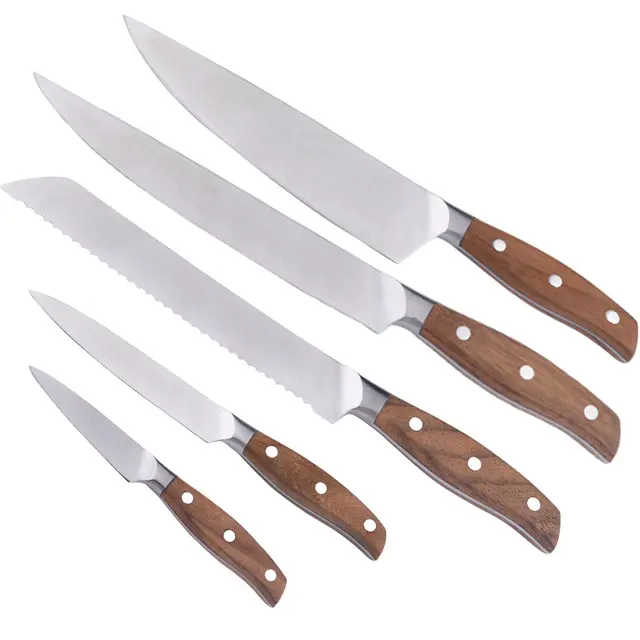
The debate over stainless steel knife vs carbon steel is really a debate about priorities. Stainless steel offers easier ownership, better rust resistance, and lower maintenance, while carbon steel offers sharper performance feel, easier sharpening, and a more traditional knife experience. [chefs-edge](https://www.chefs-edge.com/blogs/knife-information/carbon-steel-v-stainless-steel-whats-better)
For most mainstream buyers, stainless steel is the practical choice. For chefs, enthusiasts, and premium knife brands, carbon steel may create a more compelling product story. The right answer is not which steel is universally better, but which one is better for your users, your market, and your brand.
CTA: If you are developing OEM knife products for global markets, choose the steel based on customer behavior first, and performance second. That is how you reduce complaints, improve reviews, and build a more profitable knife line.
Not always. Stainless steel is better for low maintenance and rust resistance, while carbon steel is often preferred for sharper feel and easier sharpening. [opinel-usa](https://www.opinel-usa.com/blogs/news/stainless-steel-vs-carbon-steel-knives)
Yes. Carbon steel is more reactive and needs careful drying and storage after use. [chefs-edge](https://www.chefs-edge.com/blogs/knife-information/carbon-steel-v-stainless-steel-whats-better)
Carbon steel is usually easier to sharpen and can be more responsive on the stone. [chefapprovedtools](https://www.chefapprovedtools.com/blog/carbon-steel-vs-stainless-steel-knife)
For most home kitchens, stainless steel is the more practical choice because it needs less care and handles everyday use more easily. [opinel-usa](https://www.opinel-usa.com/blogs/news/stainless-steel-vs-carbon-steel-knives)
It depends on the target market. Stainless steel works well for mass-market and family use, while carbon steel fits premium and enthusiast-focused collections.
In many cases, yes. Modern stainless steels have improved greatly, and some high-quality stainless blades can perform near premium carbon steel depending on heat treatment and design. [reddit](https://www.reddit.com/r/chefknives/comments/bz0e9f/are_carbon_steel_really_better_than_stainless/)
1. Scott Bradley, "Carbon Steel vs Stainless Knives: 24-Year Test Results," Chef Approved Tools.
https://www.chefapprovedtools.com/blog/carbon-steel-vs-stainless-steel-knife
2. "Carbon Steel vs Stainless Steel Knives: Pros and Cons," Ignited Cutlery.
https://www.ignitedcutlery.com/blogs/news/carbon-steel-vs-stainless-steel-knives-pros-and-cons
3. "Carbon Steel Knives v.s. Stainless Steel Knives: Which is Better?", Knifewear.
https://knifewear.com/blogs/articles/carbon-steel-knives-v-s-stainless-steel-knives-which-is-better
4. "Carbon Steel vs. Stainless Steel Knives | A Guide," OPINEL USA.
https://www.opinel-usa.com/blogs/news/stainless-steel-vs-carbon-steel-knives
5. "Carbon Steel v Stainless Steel. What's Better?", Chefs Edge.
https://www.chefs-edge.com/blogs/knife-information/carbon-steel-v-stainless-steel-whats-better
6. Community discussion on knife steel performance trade-offs, Reddit.
https://www.reddit.com/r/chefknives/comments/bz0e9f/are_carbon_steel_really_better_than_stainless/
Hot Tags: China, Global, OEM, private label, manufacturers, factory, suppliers, manufacturing company


