

Views: 290 Author: Site Editor Publish Time: 2025-12-16 Origin: Site


Content Menu
● Understanding Cheese and Butter Knives
>> H2: Decorative Butter Knives
>> H2: Consider the Cheese Type
>> H2: Cleaning and Maintenance
>> H2: Storage
● Creative Uses for Cheese and Butter Knives
>> H2: Beyond Cheese and Butter
When it comes to enjoying cheese and butter, the right tools can make all the difference. Cheese and butter knives are essential for any kitchen, whether you're preparing a simple breakfast or hosting an elaborate cheese board for guests. In this comprehensive guide, we will explore the various types of cheese and butter knives, their uses, and tips for selecting the best ones for your culinary needs.
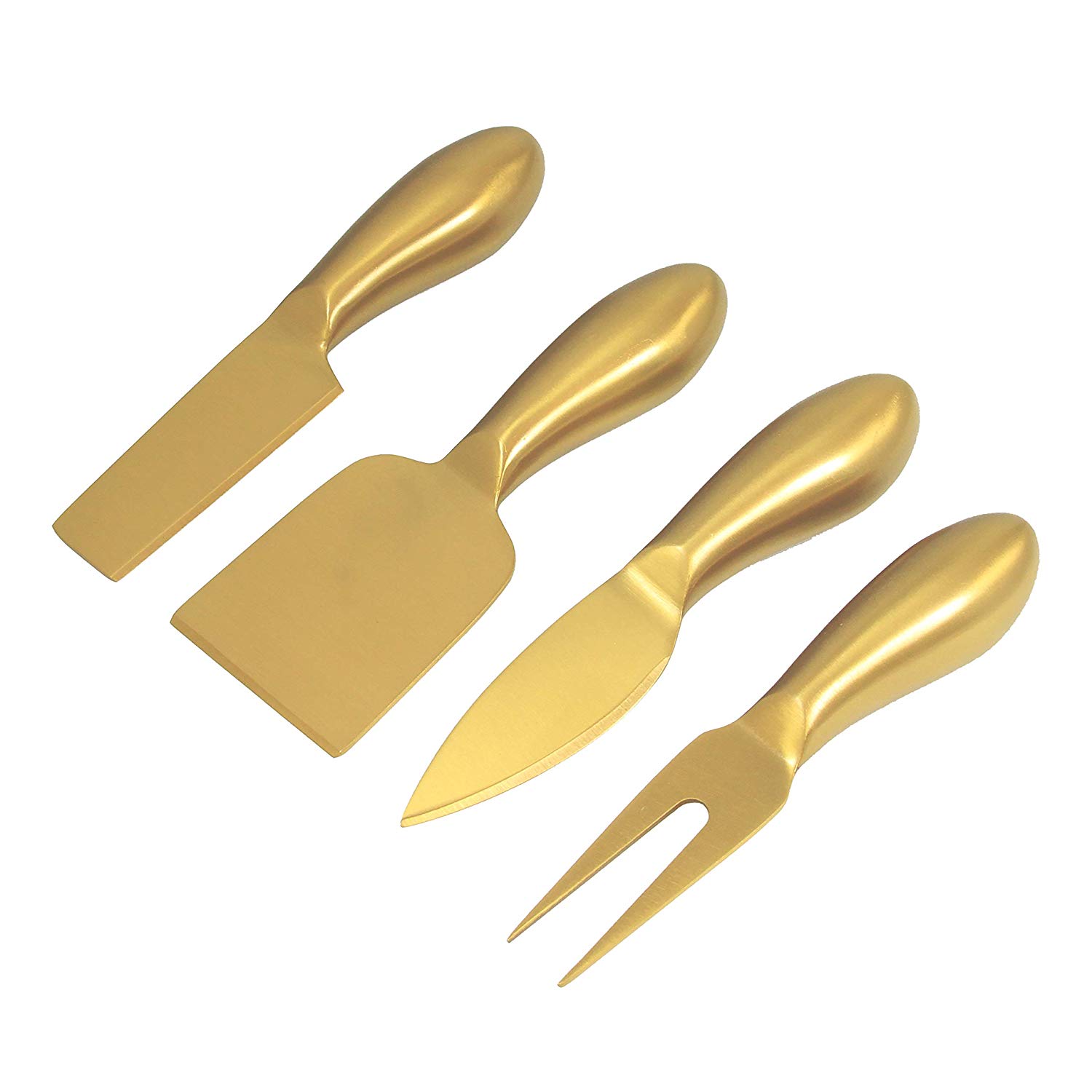
A cheese knife is specifically designed to cut and serve cheese. These knives come in various shapes and sizes, each tailored for different types of cheese. The design often includes features like holes in the blade to prevent soft cheeses from sticking and serrated edges for cutting through harder varieties.
A butter knife is a blunt-edged knife used for spreading butter, cream cheese, or other soft spreads. Unlike cheese knives, butter knives do not have sharp edges, making them safe for use at the table.
Soft cheese knives typically have a thin, flexible blade that allows for easy slicing of creamy cheeses like Brie and Camembert. The blade often features holes to reduce friction and prevent sticking.
Hard cheese knives are sturdier and often have a thicker blade. They are designed to cut through firmer cheeses like Parmesan and aged Cheddar. Some models may include a pointed tip for breaking off chunks.
Cheese spreaders are versatile tools that can be used for both spreading soft cheeses and cutting through semi-soft varieties. They usually have a wide blade and a rounded tip, making them ideal for serving.
Pronged cheese knives feature a forked end that allows for easy serving of cheese after cutting. They are particularly useful for soft cheeses that may crumble.
Standard butter knives are typically made of stainless steel or plastic and have a blunt edge. They are perfect for spreading butter on bread without tearing it.
These knives often feature ornate designs and are used for serving butter at formal occasions. They can be made from various materials, including silver and ceramic.
When selecting a cheese knife, consider the type of cheese you will be serving. Soft cheeses require different knives than hard cheeses. A well-rounded cheese knife set should include at least one of each type.
Most cheese and butter knives are made from stainless steel, which is durable and easy to clean. Some may have wooden or plastic handles for added comfort and style.
Choose knives that feel comfortable in your hand. An ergonomic design can make a significant difference, especially when serving multiple guests.
To maintain the quality of your cheese and butter knives, wash them by hand with mild soap and water. Avoid using abrasive cleaners that can scratch the surface.
Store your knives in a designated drawer or knife block to protect the blades. If you have a knife set, consider using a magnetic strip for easy access and display.
While these knives are designed for specific purposes, they can also be used for other culinary tasks. For example, a cheese knife can be used to slice fruits or vegetables, while a butter knife can spread jam or cream cheese.
When hosting a cheese and butter spread, consider including a variety of cheeses, crackers, and fruits. Use different knives for each cheese to avoid mixing flavors.
Investing in quality cheese and butter knives can elevate your culinary experience. With the right tools, you can enjoy a variety of cheeses and spreads with ease. Remember to consider the type of cheese, the material of the knife, and ergonomic design when making your selection.
1. What is the best knife for cutting soft cheese?
- A soft cheese knife with a thin, flexible blade is ideal for cutting soft cheeses like Brie.
2. Can I use a regular knife for cheese?
- While you can use a regular knife, a cheese knife is specifically designed to handle different cheese textures more effectively.
3. How do I clean my cheese knives?
- Hand wash your cheese knives with mild soap and water, and avoid abrasive cleaners.
4. What is the difference between a cheese knife and a butter knife?
- Cheese knives are designed for cutting and serving cheese, while butter knives are used for spreading.
5. Do I need a separate knife for each type of cheese?
- It's recommended to have different knives for soft, semi-soft, and hard cheeses to maintain the best flavor and texture.


