

Views: 280 Author: Site Editor Publish Time: 2026-06-03 Origin: Site


Content Menu
>> H2: Understanding Different Types of Cheese Slicers
>>> H3: The Wire Cheese Slicer
>>> H3: The Handheld Plane Slicer
>>> H3: Specialized Cheese Knives
>> H2: Master Techniques: How to Slice Like a Pro
>> H2: Care and Maintenance for Longevity
>> H2: Frequently Asked Questions
Achieving that perfect, restaurant-quality slice of cheese at home is an art form that transforms any simple snack into a gourmet experience. Whether you are building an elaborate charcuterie board for a party or just looking to elevate your daily sandwich, the right tools make all the difference. Among these, the cheese slicer stands out as an indispensable implement in any well-equipped kitchen. This guide will walk you through everything you need to know to master the blade and wire.
Not all cheese is created equal, and neither are the tools used to slice it. Selecting the appropriate slicer depends heavily on the firmness and texture of the cheese you are serving.
The wire cheese slicer is the gold standard for semi-soft to semi-hard cheeses. Its thin, taut wire passes through the block without causing the cheese to stick or crumble. Because the wire creates less friction than a thick metal blade, you are guaranteed cleaner, more uniform slices.
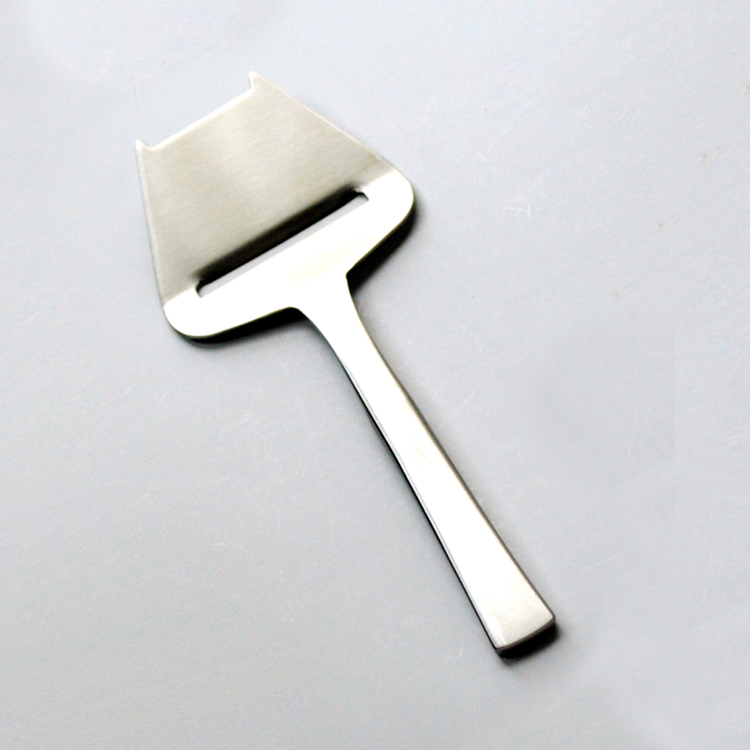
Often called a "cheese plane," this tool is iconic in Scandinavian households. It is designed specifically for firm to hard cheeses like Jarlsberg, Gouda, or aged Cheddar. By pulling the plane across the surface of the block, the angled blade creates a thin, elegant slice that curls perfectly for serving.
For very soft cheeses like Brie, Camembert, or fresh goat cheese, a slicer is not always the best tool. In these cases, look for knives with perforated blades or thin, non-stick surfaces to prevent the paste-like cheese from sticking to the knife. A chisel knife is also essential for breaking off chunks of crumbly, aged hard cheeses.
The difference between a messy board and a professional charcuterie presentation lies in technique.
1. Temperature Control: Always chill your cheese before slicing. Cold cheese is firmer and holds its shape much better under the pressure of a slicer or wire, resulting in cleaner cuts.
2. Steady Surface: Always slice on a stable, flat surface, such as a wooden cutting board. Avoid using glass or ceramic plates, which can dull your blades and make slipping more likely.
3. Mind the Rind: Never try to slice through a hard cheese rind with a wire slicer. It is a common mistake that risks breaking the wire and causing injury. Always use a dedicated, sharp knife to trim the rind before positioning the cheese for the slicer.
4. Uniformity: Aim for consistent pressure throughout the entire length of the slice. If you start with a heavy hand and finish light, your slices will be uneven.
Investing in quality kitchen tools requires proper care to ensure they last for years.
* Hand Washing: While some modern slicers are marketed as dishwasher-safe, hand washing is highly recommended. The high heat and harsh detergents of a dishwasher can degrade the tension of wires and dull the sharp edges of blades over time.
* Tension Check: Periodically inspect your wire slicer. If the wire feels slack or begins to fray, it is time to replace it. A loose wire will cause tearing rather than clean slicing.
* Proper Storage: Store your knives and slicers in a designated in-drawer organizer or a knife block. Storing them loosely in a drawer where they bang against other utensils can lead to nicks, dulled edges, and even accidental cuts when you reach for them.
Q: Can I use a wire slicer for very hard cheeses like Parmesan?
A: No, wire slicers are designed for semi-soft to semi-hard cheeses. Attempting to use them on extremely hard cheeses can snap the wire. Use a chisel knife for aged, crumbly hard cheeses instead.
Q: Why does my cheese always stick to the knife when I am slicing?
A: This usually happens with soft cheeses. Try using a knife with a thin blade, a non-stick coating, or even a serrated edge. If it still sticks, chilling the cheese longer before slicing can help.
Q: How do I keep my slices from drying out?
A: It is best to slice just before serving. If you must slice ahead of time, cover the cheese with a glass dome or plastic wrap to maintain humidity and prevent it from hardening.
Q: Should I use the same knife for all my cheeses?
A: Ideally, no. Stinky or very strong cheeses can overwhelm mild ones if you use the same knife. It is a good practice to use separate knives for distinct flavor profiles.
Q: What is the best way to clean a wooden board used with a slicer?
A: Wash with mild soap and water, then dry immediately. Periodically oil the board with food-grade mineral oil to keep the wood hydrated and free from cracks or chips.


