

Views: 280 Author: Site Editor Publish Time: 2026-01-29 Origin: Site


Content Menu
>>> Benefits of Wooden Cutting Boards
>>> Benefits of Plastic Cutting Boards
>> Glass and Marble Cutting Boards
>>> Benefits of Glass and Marble Cutting Boards
>>> Benefits of Bamboo Cutting Boards
>>> Benefits of Butcher Blocks
>>> Benefits of Carving Boards
● Caring for Your Cutting Boards
>> Cleaning
>> Storage
● Benefits of Using a Cutting Board
Cutting boards are essential tools in any kitchen, providing a safe and stable surface for food preparation. They come in various materials, shapes, and sizes, each designed for specific tasks. Understanding the different types of cutting boards can help you choose the right one for your cooking needs. In this article, we will explore the various types of cutting boards, their benefits, and how to care for them.
A cutting board is a flat surface used for cutting, chopping, and preparing food. It protects your countertops from knife damage and helps maintain the sharpness of your blades. Cutting boards can be made from various materials, including wood, plastic, glass, and bamboo.
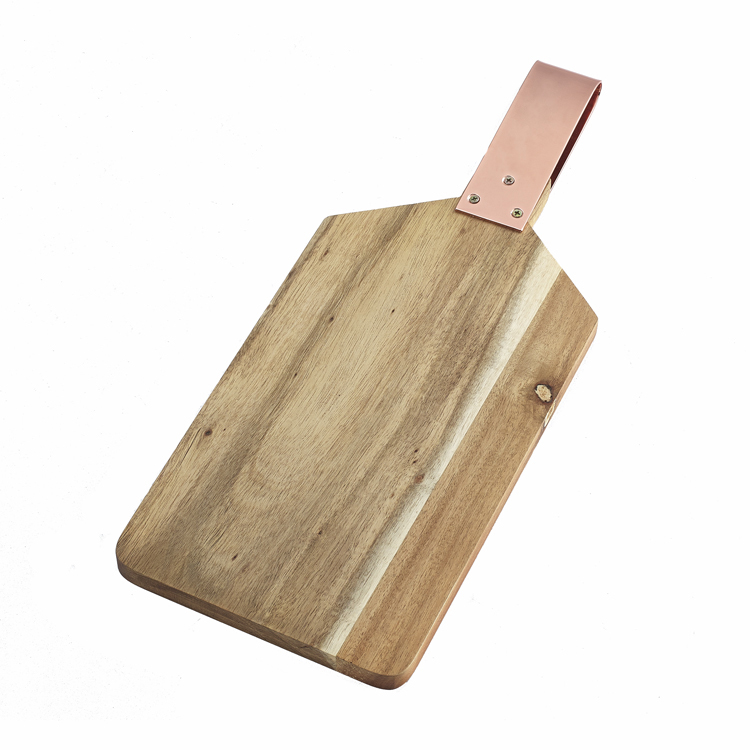
Wooden cutting boards are a favorite among chefs and home cooks alike. They are known for their durability and natural beauty. Common types of wood used include maple, walnut, and bamboo.
- Gentle on Knives: Wooden boards are softer than plastic or glass, which helps maintain the sharpness of your knives.
- Natural Antimicrobial Properties: Wood has natural antibacterial properties that can help reduce the risk of foodborne illnesses.
- Aesthetic Appeal: Wooden boards add warmth and character to your kitchen, making them a beautiful addition to your countertop.
Plastic cutting boards are lightweight, affordable, and easy to clean. They are often made from high-density polyethylene (HDPE) and are available in various colors and sizes.
- Dishwasher Safe: Most plastic boards can be easily cleaned in the dishwasher, making them convenient for busy kitchens.
- Non-Porous Surface: Plastic boards do not absorb moisture, which helps prevent bacteria growth.
- Color-Coded Options: Many plastic boards come in different colors, allowing you to designate specific boards for different food types to prevent cross-contamination.
Glass and marble cutting boards are often chosen for their sleek appearance and easy cleaning. However, they can be harsh on knife blades.
- Non-Stick Surface: Food does not stick to glass or marble, making it easy to slide ingredients off the board.
- Stylish Presentation: These boards can double as serving platters, adding elegance to your dining experience.
- Easy to Clean: Both materials can be easily wiped down and are resistant to stains and odors.
Bamboo cutting boards are an eco-friendly option that has gained popularity in recent years. Bamboo is a sustainable material that is harder than many hardwoods.
- Sustainable Resource: Bamboo grows quickly and is a renewable resource, making it an environmentally friendly choice.
- Durable and Lightweight: Bamboo boards are lightweight yet durable, making them easy to handle.
- Natural Antimicrobial Properties: Like wooden boards, bamboo has natural antibacterial properties.
Butcher blocks are thick, heavy-duty cutting boards designed for heavy use. They are typically made from hardwood and are ideal for chopping meat.
- Sturdy Surface: The thickness and weight of butcher blocks provide a stable surface for cutting.
- Durability: With proper care, butcher blocks can last for many years, making them a worthwhile investment.
- Self-Healing Properties: The wood fibers in butcher blocks can close up after being cut, which helps prevent bacteria from entering the board.
Carving boards are designed specifically for slicing cooked meats. They often feature a groove around the edge to catch juices.
- Juice Groove: The groove helps contain juices, preventing messes on your countertop.
- Stability: Carving boards are typically thicker and heavier, providing a stable surface for slicing.
Pastry boards are smooth, flat surfaces used for rolling out dough. They are often made from wood or marble.
- Smooth Surface: The smooth surface allows for easy rolling of dough without sticking.
- Easy to Clean: Many pastry boards can be easily wiped down or washed.
Proper maintenance of your cutting board is essential to ensure its longevity and hygiene.
- Wooden Boards: Hand wash with warm, soapy water and dry immediately. Avoid soaking in water, as this can cause warping.
- Plastic Boards: These can be washed in the dishwasher or by hand with hot, soapy water.
- Glass and Marble Boards: Wipe down with a damp cloth or wash with soap and water.
To maintain the quality of wooden cutting boards, it is important to oil them regularly with food-safe mineral oil. This helps prevent drying and cracking, keeping the board in good condition.
Store cutting boards in a dry place, preferably standing upright to prevent warping. Avoid stacking heavy items on top of them.
Using a cutting board offers several advantages that enhance your cooking experience.
Cutting boards provide a protective barrier between your food and countertops, preventing scratches and damage to your kitchen surfaces.
By using separate cutting boards for different food types, you can reduce the risk of cross-contamination, ensuring that your food is safe to eat.
Having a designated surface for food preparation allows you to work more efficiently in the kitchen, making meal prep quicker and easier.
In summary, cutting boards are indispensable tools in any kitchen. With various types available, including wooden, plastic, glass, bamboo, and specialty boards, each offers unique benefits that cater to different cooking styles and preferences. By understanding the uses and maintenance of cutting boards, you can enhance your culinary experience and ensure food safety in your kitchen.
1. What is the best material for a cutting board?
- The best material depends on your needs. Wooden boards are great for general use, while plastic boards are better for raw meat.
2. How often should I replace my cutting board?
- Replace your cutting board when it shows significant wear, such as deep grooves or cracks.
3. Can I put my wooden cutting board in the dishwasher?
- No, wooden cutting boards should be hand washed to prevent warping and cracking.
4. How do I sanitize my cutting board?
- Use a mixture of vinegar and water or a food-safe sanitizer after washing.
5. Is it safe to use the same cutting board for meat and vegetables?
- It is not recommended due to the risk of cross-contamination. Use separate boards for different food types.


