

Views: 270 Author: Site Editor Publish Time: 2025-08-19 Origin: Site


Content Menu
● Why Investing in a Quality Carving Knife Set Matters
● Components of a Typical Carving Knife Set
● Key Features to Look for in Carving Knife Sets
>> Blade Construction and Materials
● Top Carving Knife Sets for Home Cooks
>> Mercer Culinary Millennia 2-Piece Carving Set
>> Victorinox Swiss Army 8-Inch Carving Knife and Fork Set
>> Wüsthof Gourmet Carving Knife Set
● Best Carving Knife Sets for Professionals
>> Zwilling J.A. Henckels Professional ‘S' 2-Piece Carving Set
>> Shun Classic 9-Inch Carving Knife Set
>> Global G-9 Professional Carving Knife
● How to Choose the Right Carving Knife Set for You
>> Consider Your Cooking Frequency and Style
>> Blade Maintenance Commitment
>> Budget and Brand Reputation
● Using and Caring for Your Carving Knife Set
>> Proper Use
● Frequently Asked Questions (FAQs)
>> Q1: What blade material is best for carving knives?
>> Q2: Can I use a carving knife set for other kitchen tasks?
>> Q3: How often should professional chefs sharpen their carving knives?
>> Q4: Are carving fork sets necessary?
>> Q5: How do I safely store my carving knives at home?
Choosing the perfect carving knife set is essential for both home cooks and professional chefs to enhance their food preparation experience. A great carving knife set not only improves the precision and presentation of meats but also adds comfort and control during slicing. This article explores the best carving knife sets available for enthusiasts and culinary experts alike, highlighting key features, performance, materials, ergonomics, and care tips. It includes plenty of images and videos to deepen your understanding of these indispensable kitchen tools.
Carving knives cut meat into neat, uniform slices, which enhances the texture and visual appeal of your dishes, from holiday roasts to everyday dinners.
A quality carving knife set resists dulling and corrosion, sustains its sharp edge longer, and delivers consistent performance over time, making it a smart kitchen investment.
- Carving Knife: Usually 8 to 15 inches long for smooth, clean slicing.
- Carving Fork: Stabilizes meat during carving for safer cuts.
- Sharpening Steel or Stone: Maintains blade sharpness.
- Storage Options: Cases or blocks protect blades when stored.
- High Carbon Stainless Steel: Combines sharpness with corrosion resistance, perfect for home cooks and professionals.
- Damascus Steel: Layered steel known for durability and striking aesthetics.
- Ceramic Blades: Extremely sharp and lightweight but brittle, requiring cautious handling.
Ergonomically designed handles ensure secure grip and comfort, reducing hand fatigue during extended use. Common materials include wood, resin, and composite polymers.
Longer blades (12–15 inches) allow clean slicing of large roasts, while thinner blades minimize resistance, offering greater precision.
Affordable yet durable with high carbon stainless steel blades and comfortable ergonomic handles for consistent slicing.
Known for sharp blades and lightweight handles that offer great control for everyday cooking needs.
A great entry-level professional-grade set with forged high-carbon stainless steel blades and sturdy synthetic handles.
Forged from high-carbon stainless steel blades with triple-riveted handles for a balanced and sharp cutting experience.
Features a Damascus steel - layered blade with a comfortable D-shaped PakkaWood handle and razor-sharp edge.
Lightweight stainless steel construction with a seamless handle ensures hygiene and precise carving in demanding professional kitchens.
- Frequent large meals require professional-grade sets for durability and precision.
- Casual home cooks benefit from affordable, reliable sets with ergonomic handles.
- High-end sets may demand more careful maintenance but offer exceptional longevity.
- Stainless steel varieties often require less upkeep but may need periodic sharpening.
Evaluate brands known for quality and balance cost with the feature set that matches your culinary needs.
- Use long, smooth slicing strokes.
- Secure meat with the carving fork to ensure safety.
- Avoid cutting on hard surfaces to maintain edge sharpness.
- Hand wash immediately after use and dry promptly.
- Regularly hone with sharpening steel; sharpen fully when dull.
- Store in knife blocks or on magnetic strips to protect blades.
A1: High carbon stainless steel offers a perfect balance between sharpness, rust resistance, and durability.
A2: While designed for meat slicing, many carving knives perform well with vegetables and large fruits, but they excel on cooked meats.
A3: Most professionals hone before each use and sharpen fully every few weeks, depending on workload.
A4: Yes, carving forks stabilize the meat during slicing and provide safety and uniform cuts.
A5: Use a knife block, magnetic strip, or blade guards to protect the edge and avoid accidents.
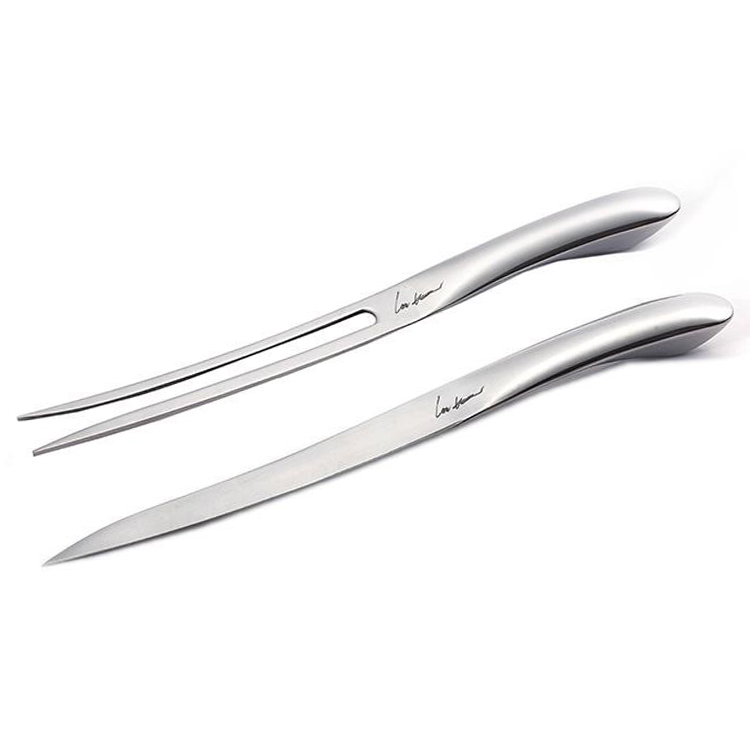
Whether you are a home cook seeking reliable, easy-to-use knives or a professional aiming for precision and durability, the right carving knife set can elevate your food preparation. Investing in quality materials like high carbon stainless steel and ergonomic handle designs ensures comfort and performance. Brands like Mercer, Zwilling, Shun, and Victorinox provide excellent options covering budget to professional levels. Proper care and usage will extend your carving knives' lifespan, making them invaluable kitchen tools for years to come.


