

Views: 290 Author: Site Editor Publish Time: 2026-06-04 Origin: Site


Content Menu
>> The Science of Wood Surfaces
>> H2: The Cross-Contamination Risk
>>> H3: The Nature of Raw Meat Juices
>>> H3: Why Cheese Boards Are Different
>> Proper Kitchen Management Protocols
>> H2: Sanitization and Cleaning
>>> H3: Can You Save a Meat-Contaminated Board?
>> Conclusion
The culinary world is filled with traditions and rules, some rooted in aesthetic beauty and others in rigorous food safety standards. Among the most frequent debates in home and professional kitchens is the crossover of equipment. Specifically, many wonder if a beautiful wooden cheese board—often prized for its rustic charm and natural finish—can double as a cutting surface for raw or cooked meat. To understand the risks and realities of this practice, we must delve into the science of wood, bacterial behavior, and kitchen sanitation.
Wood is an incredible material for food preparation. It is gentle on knives, aesthetically pleasing, and possesses inherent antimicrobial properties. However, its greatest strength—its cellular structure—is also its potential weakness. Wood is porous. While it can absorb natural oils and juices, it can also absorb pathogens, particularly those found in raw meat such as Salmonella, E. coli, and Campylobacter.
When you use a wooden surface for raw meat, the juices seep into the grain of the wood. Unlike a non-porous surface like glass or plastic, which can be wiped clean, the microscopic pores of wood act as a repository for these liquids. If the wood is not sealed perfectly or if the knife marks have created deep grooves, bacteria can find refuge, surviving long after the surface has been wiped.
Cross-contamination is the primary enemy of food safety in any kitchen. When you use a board for raw meat and subsequently use that same board for cheese or ready-to-eat foods without extreme decontamination, you are creating a highway for foodborne illness.
Raw meat, especially poultry and red meat, often carries a high microbial load. The juices released during slicing contain proteins, minerals, and moisture—essentially a feast for bacteria. If these are trapped within a wooden board, they provide a protected environment where bacteria can multiply.
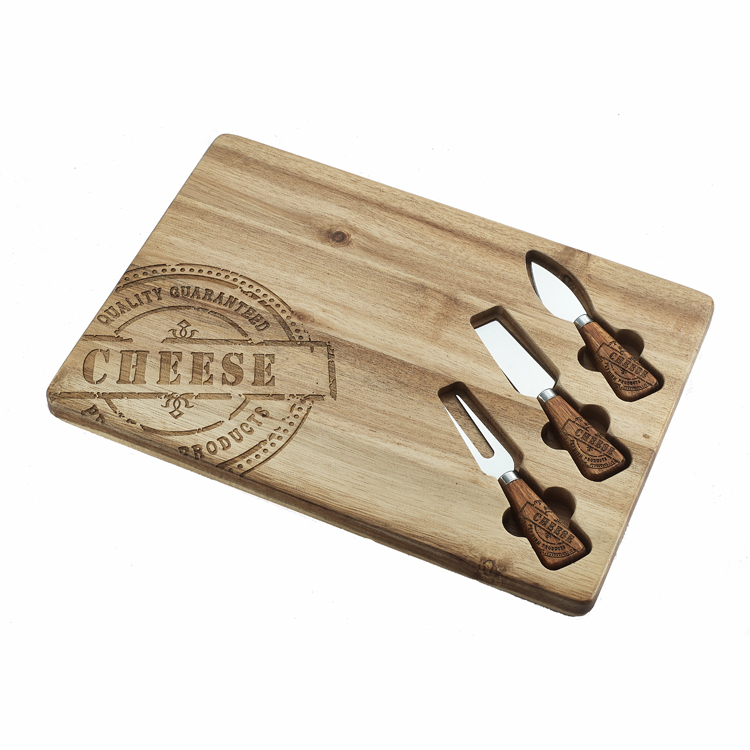
Cheese boards are designed for ready-to-eat items. Cheese is a dairy product, often aged and sometimes delicate. It does not go through a "kill step" (like cooking) before being served to guests. Therefore, introducing even microscopic amounts of bacteria from a previous raw meat task can lead to significant health consequences.
If you desire to maintain a beautiful collection of wooden boards, the golden rule is specialization.
- Designate Your Boards: Dedicate specific boards to specific tasks. Use plastic or composite boards for meat, as these are non-porous and can withstand the high temperatures of a professional dishwasher. Reserve your hardwood boards exclusively for dry goods, cheeses, fruits, and bread.
- Color Coding: Many professional kitchens use color-coded boards (e.g., red for meat, green for produce) to prevent confusion. You can adopt a similar system at home by labeling your boards or selecting distinct materials for different tasks.
- Surface Integrity: If you must use a wooden board for anything other than cheese, ensure it is perfectly oiled and sealed. A well-maintained, smooth board is significantly safer than one covered in deep knife scars and splintered grain.
If a wooden board has inadvertently touched raw meat, the recovery process must be absolute.
Stop using the board immediately. If it has been used for raw meat, do not attempt to just "wipe it off." You must move to a full cleaning cycle. Using hot water and a high-quality dish soap is the bare minimum.
While wood has some self-sanitizing properties, these are not magic. If you are concerned about contamination, use a solution of diluted bleach (in extreme cases) or an intensive salt and lemon scrub. However, if the board has deep grooves, the most professional recommendation is to retire it or restrict it to dry-food use only.
While a wooden cheese board is a beautiful vessel for entertaining, it should not be treated as a general-purpose butcher block. The risk of cross-contamination from raw meat, combined with the difficulty of sanitizing porous surfaces, makes it a poor choice for meat preparation. By separating your tools—using durable, non-porous boards for meat and reserving your wooden boards for charcuterie and cheese—you ensure both the longevity of your boards and the safety of your diners.
1. What is the best material for a meat cutting board?
High-density polyethylene (plastic) or composite wood materials are best. They are non-porous, durable, and can be sanitized in a dishwasher without warping.
2. Can I use a wooden board for cooked meat?
Yes, but proceed with caution. Cooked meat is generally safer, but it can still leave fatty residues that become rancid in the wood pores. Clean it thoroughly and oil it afterward.
3. Does oiling my board prevent bacterial absorption?
Oiling creates a hydrophobic barrier, making it much harder for liquids—and the bacteria they carry—to penetrate the grain. It is your primary defense against contamination.
4. Is it safer to use a glass board for meat?
While glass is non-porous and easy to clean, it is terrible for your knives and can lead to dangerous slippage. It is generally not recommended in professional kitchens for any cutting task.
5. How do I tell if my wooden board is too old?
If the wood is gray, fuzzy, or has deep cracks that trap food, the surface is no longer food-safe. Once the structural integrity is compromised, replace the board.


