

Views: 220 Author: helloknife Publish Time: 2026-02-27 Origin: Site


Content Menu
● The Essence of Chef Knife Types
● Main Chef Knife Types and Their Uses
>> 1. The Classic Western Chef Knife
>> 2. The Japanese Gyuto Knife
● Materials Used in Chef Knife Types
● Choosing the Right Chef Knife Type for Your Needs
● Craftsmanship and OEM Manufacturing at HELLOKNIFE LTD
● The Future of Chef Knife Design
HELLOKNIFE LTD, a leading Chinese OEM manufacturer specializing in high-quality cheese knives, cheese boards, and steak knives, brings decades of craftsmanship to the culinary world. Our expertise extends beyond production—we understand how the right knife can transform your cooking experience. Among our most popular products are various chef knife types, designed for professionals, home chefs, and culinary enthusiasts alike. This comprehensive guide explores everything you need to know about chef knife types: their uses, construction, and how to choose the perfect one for your kitchen.
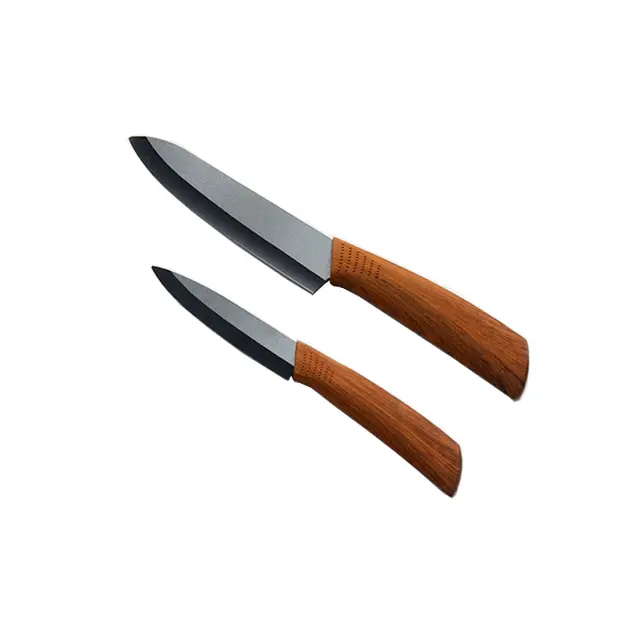
A chef knife is the cornerstone of any kitchen. Whether you're slicing vegetables, carving meat, or mincing garlic, your choice of knife significantly affects both performance and safety. Understanding chef knife types helps chefs select tools tailored to specific cooking styles and ingredients. The goal isn't just efficiency—it's precision, comfort, and longevity.
Before diving into the types, it's essential to understand the anatomy of a knife. Every part plays a role in how it feels and functions.
- Blade: The sharp edge that cuts through food; its material and shape define performance.
- Handle: Determines comfort and balance. Ergonomic handles reduce fatigue during long use.
- Tang: The portion of the blade extending into the handle. Full tang designs enhance strength.
- Heel, tip, spine, and bolster: Each part influences control and balance, making certain chef knife types better suited for specific techniques.
The Western chef knife is the workhorse of professional kitchens. Characterized by its curved blade, it allows a rocking motion for chopping herbs, vegetables, and meats. Western chef knife types typically feature a robust spine and heavier weight, ideal for users who prefer controlled cutting power.
Inspired by the Western chef knife but refined for precision, the Gyuto is lighter and sharper. Japanese steel offers excellent edge retention, making it suitable for fine slicing and clean cuts. Gyuto knives exemplify balance between flexibility and sharpness, perfect for delicate proteins like fish or thinly sliced vegetables.
This popular Japanese style—its name meaning “three virtues”—excels at slicing, dicing, and mincing. The Santoku's flat edge and sheep's foot tip provide efficient contact with the cutting board, reducing wasted motion. Among chef knife types, Santoku knives are particularly versatile for home chefs seeking an all-in-one solution.
Distinct with its rectangular blade, the Nakiri is specially designed for vegetable preparation. Its straight edge creates even cuts for uniform pieces, ideal for stir-fries or salads. Lightweight and agile, this knife type is a favorite among vegetarian chefs.
As the name suggests, the utility knife bridges the gap between a paring knife and a chef knife. For everyday tasks that don't require a large blade—like slicing fruit or sandwiches—this compact member of the chef knife types family offers unmatched convenience.
For those who work frequently with meat or fish, the boning knife is indispensable. Its narrow, flexible blade allows precise trimming and deboning. Unlike broader chef knife types, this knife prioritizes control near bones and joints.
Traditionally used in Asian kitchens, the cleaver's large rectangular blade delivers brute strength for chopping through bones or thick vegetables. Modern chefs often choose smaller cleavers for versatility; they can crush garlic, tenderize meat, and cut dense ingredients with ease.
Featuring a serrated edge, the bread knife cuts through crusty loaves without tearing soft interiors. Even though it's a specialized knife, it still belongs among essential chef knife types, especially for bakers and sandwich chefs.
Thin, flexible, and sharp, the fillet knife expertly handles fish. It glides between skin and flesh effortlessly, ensuring minimal waste. Whether for sushi preparation or seafood trimming, it's a vital addition to a complete knife set.
Used primarily for roasts, poultry, and large cuts of meat, the carving knife has a long, narrow blade that provides smooth, even slices. Many professional sets include this as part of premium chef knife types owing to its ability to produce restaurant-quality presentation cuts.
Selecting a knife is as much about the material as it is about design. HELLOKNIFE LTD uses advanced forging and polishing techniques to ensure every piece meets top-tier international standards.
Durable, corrosion-resistant, and easy to maintain, stainless steel is a classic choice for daily use. It provides balanced sharpness and resilience.
Known for sharper edges and easier honing, high-carbon steel requires more care. Many premium chef knife types use this alloy for superior performance in professional kitchens.
Recognizable by its wavy patterns, Damascus steel combines layers of hard and soft metals. The result—a blade that's both flexible and razor-sharp—has made it a symbol of craftsmanship.
Lightweight and rust-free, ceramic knives stay sharp for long periods. However, they are more delicate than steel, better for fruits and vegetables than dense foods or bones.
A chef's ideal knife depends on cooking style, ingredients, and personal preference. Consider these factors before purchasing.
- Blade length and shape: Longer blades handle larger ingredients, while shorter ones offer control.
- Handle comfort: Try different grips; ergonomic handles prevent wrist strain.
- Weight and balance: Decide whether you prefer the heft of Western models or the lighter feel of Japanese chef knife types.
- Maintenance level: Some blades need regular sharpening and drying; stainless steel models are easier for busy kitchens.
- Purpose: Choose specialized knives like the Nakiri or Santoku if you often prepare vegetables or opt for general-purpose chef knives for all-around use.
HELLOKNIFE LTD excels in designing and producing customized kitchen tools for global brands, wholesalers, and culinary product manufacturers. Our OEM services cover chef knife types, cheese knives, cheese boards, and steak knives, ensuring each product meets strict quality and aesthetic requirements. With advanced forging technology and refined surface treatments, every blade reflects precision, balance, and durability—all hallmarks of premium knife-making tradition.
To preserve the quality of your knife collection, proper care is essential.
- Hand wash and dry immediately after use.
- Avoid dishwashers—high heat and harsh detergents damage blades.
- Store knives safely in wooden blocks, magnetic strips, or protective sleeves.
- Regularly hone and occasionally sharpen blades according to your usage frequency.
Following these practices ensures every knife, from utility to carving, remains sharp and effective for years.
Innovation continues to shape the evolution of chef knife types. Modern manufacturing blends traditional forging with digital precision. New alloys, ergonomic designs, and eco-friendly materials define the next generation of culinary tools. HELLOKNIFE LTD stays at the forefront of this movement, combining artisan skill with advanced technology to create functional, aesthetically refined knives for kitchens worldwide.

1. What is the best chef knife type for beginners?
A Santoku or Western chef knife is ideal for beginners due to its balanced design and versatility.
2. How often should I sharpen a chef knife?
With regular use, sharpen every few months. Honing after each session helps maintain the edge longer.
3. What's the difference between a Gyuto and a Western chef knife?
The Gyuto is lighter and thinner, designed for precision slicing, while Western styles prioritize power and durability.
4. Are ceramic knives better than steel knives?
Not necessarily—they're excellent for soft foods and lightweight tasks but less suitable for cutting bones or hard vegetables.
5. Can I use one knife for all tasks?
A standard chef knife can handle most tasks, but specialized chef knife types enhance precision and efficiency for specific ingredients.
6. What is the lifespan of a quality chef knife?
With proper care and sharpening, a high-quality chef knife can last decades, often becoming a cherished heirloom.
Hot Tags: China, Global, OEM, private label, manufacturers, factory, suppliers, manufacturing company


