

Views: 280 Author: Site Editor Publish Time: 2026-06-08 Origin: Site


Content Menu
>> What Defines a Spreader Knife?
>> Materials and Design: Finding Your Match
>> The Art of the Charcuterie Board
>> Choosing the Right Size and Weight
In the world of culinary tools, few items offer as much simple, everyday utility as the spreader knife. Often overlooked in favor of more specialized cutlery like chef's knives or serrated blades, the spreader knife is the unsung hero of the breakfast table, the charcuterie board, and the dessert station. Whether you are buttering a fresh slice of sourdough, spreading cream cheese on a bagel, or elegantly serving pate at a gathering, the right spreader knife makes the task effortless and aesthetically pleasing.
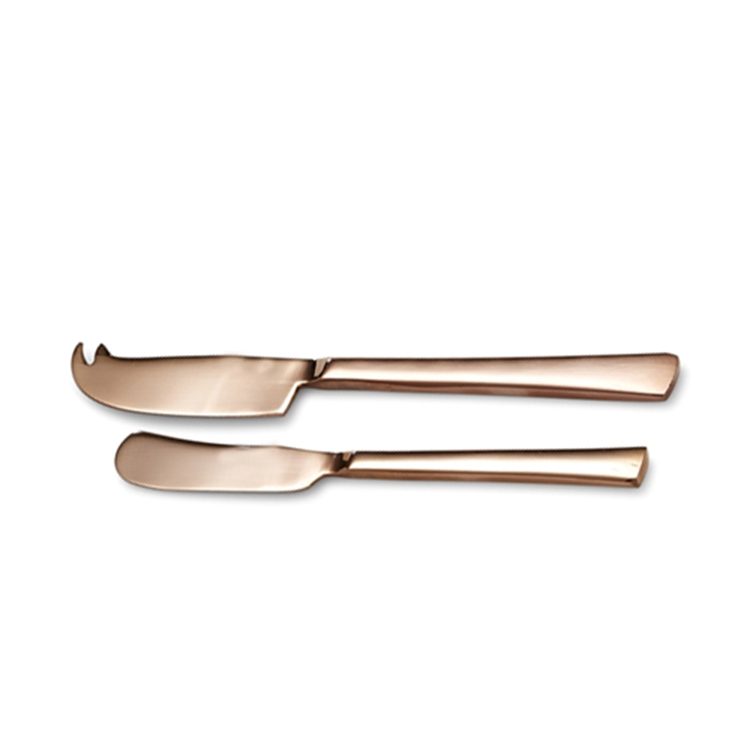
At its core, a spreader knife is designed for application rather than cutting. Unlike a sharp chef's knife, a spreader typically features a rounded tip, a wide, flat blade, and often a serrated edge on one side. This specific design allows you to scoop up generous amounts of condiments—like butter, jams, spreads, or soft cheeses—and distribute them smoothly and evenly across a surface.
The beauty of the spreader lies in its versatility. While many call it a "butter knife," its functionality extends far beyond dairy. It is the perfect tool for working with peanut butter, nutella, hummus, tapenade, and delicate fish spreads. The flat blade acts almost like a small spatula, minimizing the mess that typically occurs when using a sharp knife to apply spreads.
When selecting a spreader knife, the material impacts both its performance and its durability. Stainless steel is the most common choice, prized for its resistance to corrosion and ease of cleaning. High-quality stainless steel spreaders will not rust, even after frequent use and dishwasher cycles, making them a practical choice for daily use.
Wood-handled spreaders add a touch of rustic elegance to any kitchen. They are comfortable to hold and provide a warm, aesthetic appeal. However, wood requires more care, often needing hand washing and occasional oiling to prevent drying or cracking over time.
For those looking for a contemporary look, silicone-tipped spreaders are becoming increasingly popular. These are excellent for scraping the very last bit of spread out of a jar, thanks to their flexible edges. They are also gentle on non-stick surfaces, ensuring you won't scratch your favorite bakeware or serving dishes.
If you are a fan of hosting, the spreader knife is your best friend. A well-curated charcuterie or cheese board requires more than just excellent ingredients; it demands the right tools for your guests to enjoy them. A dedicated spreader is essential for soft cheeses like Brie, Camembert, or goat cheese.
When setting up your board, place a spreader knife next to each soft spread. This prevents flavor mixing—no one wants their honey tainted by a stray piece of savory tapenade. Using a specialized spreader for each dish also looks professional and encourages guests to interact with the food more easily.
To keep your spreader knife in top condition, proper maintenance is key. For stainless steel knives, dishwasher use is generally safe, but hand washing is recommended to maintain the finish and sharpness of any serrated edges. Avoid leaving the knife submerged in water for extended periods, as this can degrade handle materials like wood or plastic.
If you choose a wooden spreader, treat it like a wooden cutting board. Wipe it down immediately after use, avoid the dishwasher, and occasionally rub it with food-safe mineral oil to keep the grain hydrated and beautiful.
The weight and balance of a spreader knife are subjective, but important. A heavier, balanced knife feels sturdy in the hand and provides better control when spreading thicker ingredients. Conversely, a lighter, more nimble spreader is often preferred for delicate tasks, such as icing a cupcake or spreading a thin layer of icing on a layered cake.
Consider the handle shape as well. An ergonomic handle that fits comfortably in your palm will reduce hand fatigue during a busy brunch service or when preparing food for a large crowd. Test the grip before purchasing to ensure it aligns with your comfort preferences.
1. Is a spreader knife the same as a butter knife?
While often used interchangeably, a true spreader knife usually features a wider, flatter blade optimized for scooping and leveling, whereas a traditional butter knife might be narrower and less effective at spreading thicker textures.
2. Can I use a spreader knife to cut food?
Many spreader knives include a serrated edge, which allows for light cutting of breads, crusts, or cheeses. However, they are not designed for heavy-duty chopping or slicing.
3. What is the best material for a spreader knife?
Stainless steel is best for daily use and durability. Silicone is excellent for jars, and wood is preferred for aesthetic presentation on cheese boards.
4. How do I clean a wooden spreader?
Hand wash with mild soap and warm water, then dry immediately. Apply food-safe mineral oil periodically to prevent the wood from cracking.
5. Why should I use separate spreaders for different condiments?
Using separate spreaders prevents cross-contamination of flavors, which is especially important if you are serving items with distinct profiles, such as sweet jams and savory garlic spreads.


